Introduction The disposable vape market has changed significantly over the last few years. Users no longer want devices that last only a few days. Today, many vapers are looking for longer-lasting devices that offer better flavor, consistent performance, and more value for their money. Among the latest high-capacity devices available, the Cali XLT 40K Disposable Vape has gained attention for its impressive features and extended lifespan. With up to 40,000 puffs, a large e-liquid capacity, rechargeable battery, and advanced coil technology, it is designed for users who want a premium vaping experience without the hassle of frequent replacements. So, what makes this device stand out from the competition? Let's take a closer look. Massive 40,000 Puff Capacity One of the biggest reasons users choose the Cali pods is its impressive puff count. Many traditional disposable vapes offer anywhere from 5,000 to 15,000 puffs. While those devices may work well for occasional users, heavy us...
Introduction
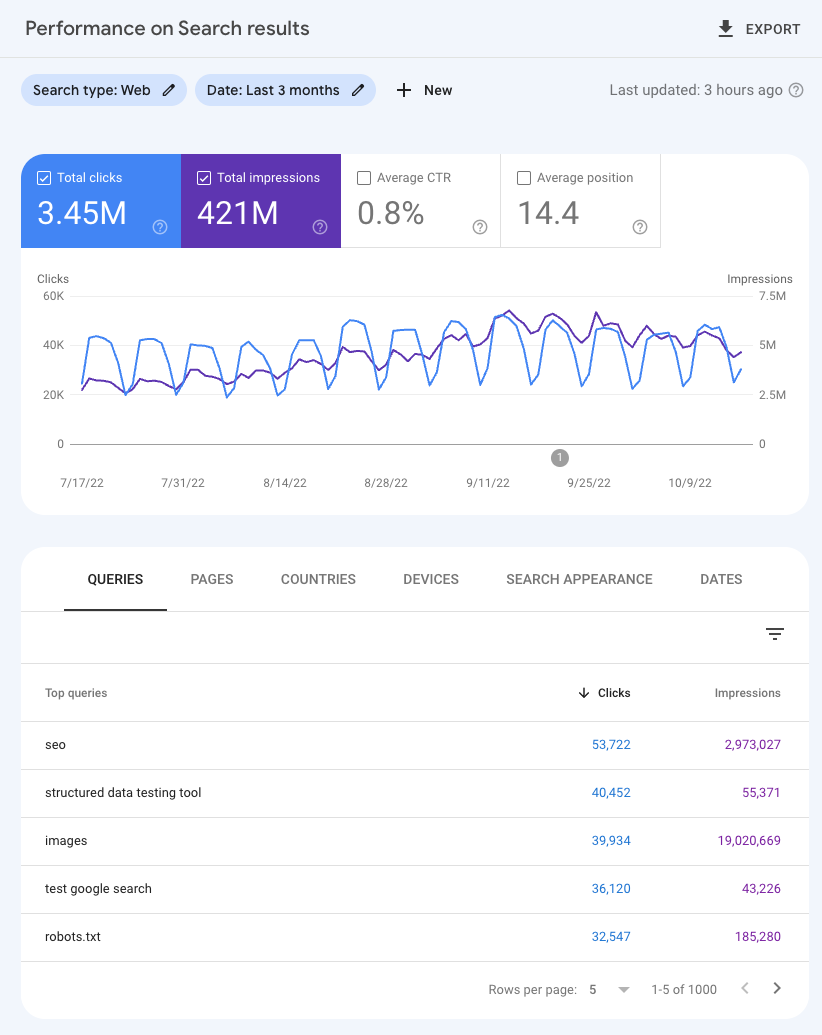
Google Search Console (GSC) is one of the most reliable tools for keyword research because it provides real search data directly from Google. Instead of guessing keywords, GSC shows exactly how users find your website, helping you uncover opportunities to improve rankings and organic traffic.
Find High-Impression, Low-CTR Keywords
Why High-Impression Keywords Matter
High impressions mean your page appears frequently in search results, but a low CTR indicates users aren’t clicking. This is a strong signal that optimization is needed.
How to Find These Keywords in GSC
Go to Performance → Search Results, enable Impressions and CTR, and identify queries with high impressions but low click-through rates.
How to Improve CTR
Optimize meta titles and descriptions, align content with search intent, and use compelling words like best, guide, tips, or numbers to increase clicks.
Sparkle Rank – SEO Insights & Growth Strategies
Identify Page-2 Ranking Keywords
Why Page-2 Keywords Are Important
Keywords ranking on the second page already have Google’s trust. With minor improvements, they can move to page one and drive noticeable traffic growth.
How to Discover These Keywords
Apply a position filter between 11 and 20 in the Performance report and sort queries by impressions.
How to Improve Rankings
Expand content, add internal links, optimize headings, and improve topical relevance.


Discover Long-Tail and Question-Based Keywords
Why Long-Tail Keywords Work Well
Long-tail keywords are specific, less competitive, and often show strong user intent, making them ideal for conversions.
How to Find Question Queries in GSC
Look for queries containing words like how, what, why, best, or guide in the Queries section.
How to Use These Keywords
Create FAQ sections, write supporting blogs, and optimize content for voice search and Answer Engine Optimization (AEO).
Analyze Keywords at Page Level
Why Page-Wise Analysis Is Useful
Each page ranks for multiple keywords, not just the primary one. This analysis helps uncover missing keywords and content gaps.
How to Check Page-Specific Queries
Navigate to Performance → Pages, click on a page, and review the queries it ranks for.
How to Fill Content Gaps
Naturally add relevant keywords to headings, content body, FAQs, and internal links to improve overall relevance.
Track Keyword Trends Over Time
Why Monitoring Trends Is Important
Keyword performance changes due to trends, competition, and algorithm updates. Tracking trends helps you act early.
How to Compare Dates in GSC
Use the date comparison option to analyze changes in clicks and impressions over different periods.
How to Take Action
Update content for rising keywords, refresh declining pages, and plan new content around emerging search terms.
Frequently Asked Questions (FAQs)
What is Google Search Console used for in SEO?
Google Search Console helps track website performance, identify keywords, monitor indexing issues, and improve search visibility using real Google data.
Can Google Search Console be used for keyword research?
Yes. GSC is excellent for keyword research as it shows actual queries users use to find your site, including impressions, clicks, and rankings.
How often should I check keyword data in GSC?
It’s recommended to review GSC keyword data at least once a week and do deeper analysis monthly.
Is GSC better than paid keyword tools?
GSC doesn’t replace paid tools, but it provides more accurate real-user data, making it extremely valuable when used alongside other tools.
Does Google Search Console help with content optimization?
Yes. GSC helps identify content gaps, low-CTR pages, and ranking opportunities for updating and improving existing content.
Conclusion
Google Search Console is more than a reporting tool—it’s a powerful keyword research resource. By analyzing impressions, rankings, page-level queries, and trends, you can build a data-driven SEO strategy that improves visibility, rankings, and organic traffic consistently.
Comments
Post a Comment